
A District Municipality of Muskoka’s proposed Official Plan amendment sparked hours of debate this week as residents, planners, councillors and lake associations clashed over floodplain mapping, property rights and environmental protections during a statutory public meeting on Official Plan Amendment 61.
The joint meeting of the Community and Planning Services and Health Services committees heard from a long list of speakers on the Five-Year Comprehensive Muskoka Official Plan Review, with opinions sharply divided over whether the proposed policies go too far — or not far enough.
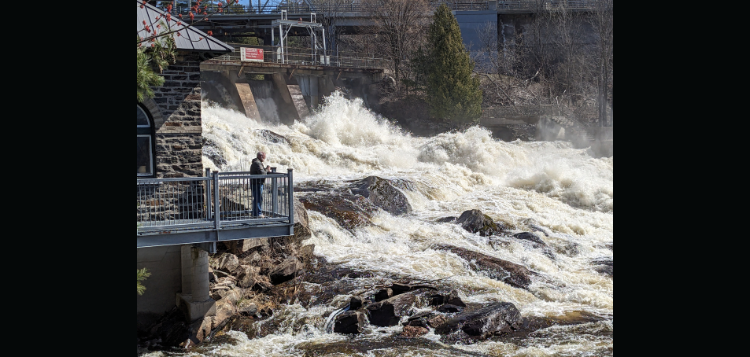
Much of the concern centred on proposed changes to floodplain designations in low-lying areas across Muskoka, with some property owners warning the changes could reduce property values and restrict future development on waterfront lands.
Nick McDonald of Meridian Planning, who presented an overview of OPA 61, said the amendment represents the culmination of several years of work and consultation.
He outlined five major components of the review: growth strategy, resort development, environmental resiliency, lake system health, and updates to align with provincial policy.
McDonald said the environmental resiliency policies are intended to improve watershed management, protect natural systems and enhance public safety, while also stressing that existing property uses and structures would continue to be permitted.
McDonald also addressed concerns surrounding updated floodplain mapping, noting the work began in 2019 and has been the subject of multiple open houses and public discussions.
Still, many speakers remained unconvinced.
Several residents questioned whether the district had properly informed the public about the implications of the proposed changes, while others raised concerns about hydroelectric generation, fluctuating water levels and the potential economic impact on waterfront properties.
A number of speakers also stated for the record that they intended to preserve their right to appeal the matter to the Ontario Land Tribunal.
Graeme Huizinga, a land use planning consultant based in Huntsville, said he was particularly concerned about properties near the Muskoka River in Bracebridge. Huizinga also questioned some of the terminology used within the proposed designations, warning it could unintentionally restrict otherwise appropriate development.
Deborah Martin-Downs, speaking on behalf of the Muskoka Lakes Association, voiced general support for the plan but raised concerns over the wording surrounding “buffers” and “setbacks” within the policy and potential for development within sensitive areas.
“Sometimes we have to make the unpopular decisions for the benefit of all,” she said.
Other residents argued the burden of protecting the lake system’s health was falling too heavily on individual property owners.
One waterfront property owner questioned why private landowners were expected to shoulder the responsibility and requested that properties purchased before the policy changes be grandfathered under existing rules.
Property owner Meredith Cartwright strongly opposed the proposed floodplain mapping updates and called on the district to pause adoption of the plan altogether.
“This is a mess, and it must be fixed,” she said. “There is a democracy deficit here.”
A representative from the Lake of Bays Association said the amendments would strengthen official plans and provide greater long-term protection for Muskoka’s lakes and waterways.
Several councillors noted that many concerns raised about water levels and hydroelectric operations fall under provincial jurisdiction rather than district control.
Coun. Terry Glover encouraged residents to contact the Ministry of Natural Resources and local MPPs.
“Their voices will be heard,” he said.
Coun. Allen Edwards connected the debate to the province’s recent move toward appointing regional chairs, warning the change could weaken local democratic accountability.
“There are many concerns over the regulation of water levels in Muskoka and it won’t get better with the appointment of a district chair by the province,” Edwards said. “I don’t think the public realizes how important this is. This is democracy.”
Staff noted that all public comments, along with responses from staff, will be formally documented as part of the process before a final recommendation report is prepared for future consideration by District Council.
Don’t miss out on Doppler!Sign up here to receive our email digest with links to our most recent stories.
Local news in your inbox six times per week!
Click here to support local news

0 Comments