
By Lisa Brooks
My father’s Brooks family roots run deep here, stretching back generations around Peninsula Lake, Algonquin Park, and Limberlost. First Nations people have often asked me whether I have Indigenous or Métis roots because of how I look, though much of our family history now lives somewhere between memory, local stories, and time.
Roots matter. Local history matters. Families who built businesses, worked the land, raised children here, and carried communities through difficult times deserve respect, but roots are not ownership papers.
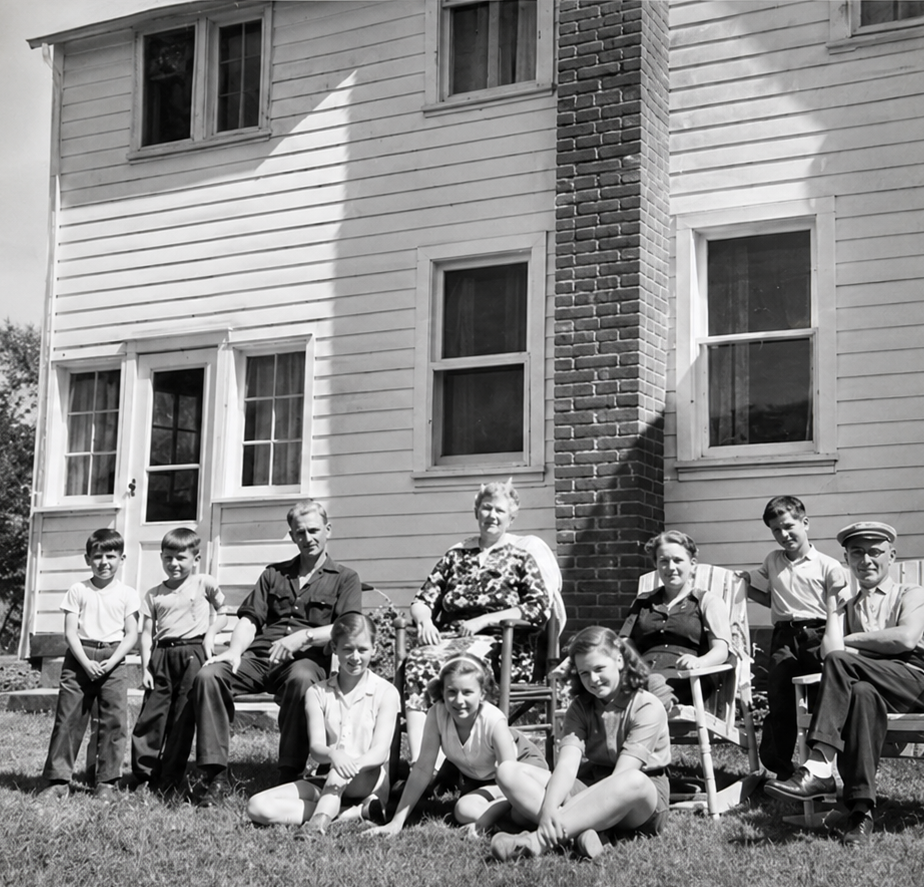
My grandfather was a bushman and often absent from family life. Early in their marriage, he took my grandmother into the bush with little more than an axe, a frying pan, and a blanket, where together they built a small cabin near what is now Limberlost and an old orchard that once stood back there. But my grandmother eventually carried much of the responsibility for supporting the family. She worked as a cook in lumber camps and used those wages to purchase acreage more than 120 years ago beside Tally-Ho and the government dock and beach.
There she built Brooklyn Lodge, a large old Muskoka lodge with cabins overlooking Peninsula Lake. She worked extraordinarily hard. Every year, she invested in the property, slowly improving, expanding, and maintaining the resort; she raised livestock, grew much of the food herself, and sustained both tourists and the family through Muskoka winters. My father, her youngest son, was born in that lodge nearly twenty years after his oldest sibling and was raised there. His father died when he was only five years old.
My father fought in the Second World War and landed on the beaches of Normandy. His first wife, a Scottish war bride, later died of tuberculosis after spending time at the Muskoka Cottage Sanatorium in Gravenhurst. My grandmother then raised their young daughter, Mary (my stepsister), at the lodge for a time. Years later, while travelling back from Scotland by ship after introducing Mary to her mother’s family, my father met my mother on that ship. Her nursing career had already taken her to different parts of the world after the war, and Canada was simply the next adventure on her list.
Before my younger sister was born, my maternal grandparents, aunt, uncle, and cousins followed my mother here and built lives in this community too. They brought Yorkshire accents, different stories, and different traditions, becoming part of the fabric of my Muskoka life alongside everyone else already here. My grandfather, a First World War veteran, rode his bicycle into his eighties and worked for years maintaining the grounds at Hillside Golf Course.
I grew up running through Hillside and between my grandparents’ homes, and in those days, I could run like the wind. In Grade 10, our family moved to Huntsville. My grandmother retired, sold the resort, and moved into a home she had built on the hill overlooking the property she had created through years of hard work. Sadly, years later, the original lodge burned down in a fire. The property eventually became Colonial Bay Cottage Resort.
Growing up, I never thought of those histories as competing with one another. They simply became part of the same place.
I grew up competitive and pushed myself hard in sports, especially running and just about every team sport available at the time. In elementary school, we were all expected to participate in public speaking competitions, which I dreaded, though I still went to the Ontario level twice. I ended up becoming valedictorian before entering high school, which still makes me laugh a little, considering how much I hated speaking in front of people. Truthfully, I still do. Writing has always come more naturally to me than speaking, much like relating to others from behind a camera or with a dog by my side.
Looking back now, I sometimes think I moved alongside much of the social hierarchy around me rather than fully inside it. Sports, competition, my love of animals, and the outdoors gave me blinders in some ways. Running gave me my own lane, and I was usually far more focused on pushing myself than on where people ranked socially or which group they belonged to.
I have spent much of my adult life working, much like my grandmother did. The older I get, the more I recognize how much of her life I inherited without fully realizing it at the time. Operating a business and caring for animals leaves less time for social circles than many people might assume.
The older I get, the more I think much of what she built was not only a business, but an atmosphere people wanted to return to. Perhaps that is part of what stays with me most. Communities survive less through agreement than through the willingness to continue living alongside one another.
Much of what I observe now happens through conversations, online spaces, and the subtle ways people begin pulling away from one another. Over time, conversations become more cautious. Some people grow louder while others quietly withdraw altogether. You can feel when a room no longer feels relaxed. Sometimes it feels as though online tensions now arrive in town before people do.
You notice it especially during shoulder season, when the tourists are gone, and the town settles back into itself. Muskoka has always changed over time, but lately, the emotional atmosphere can feel different, too. Increasingly, people seem to speak less to understand one another and more to signal where they stand.
Over the years, operating a cage-free pet resort in Muskoka, I have spent a great deal of time observing behaviour, not only in animals but in the people attached to them. One of the things you notice quickly in a healthy environment is how dramatically behaviour changes once tension, fear, and constant correction are reduced. Dogs that arrive anxious or withdrawn often begin to relax surprisingly quickly once they feel safe enough to simply be themselves and enjoy one another without constantly navigating pressure and expectations.
I sometimes wonder whether we underestimate how deeply social environments shape people, too. When distrust or fear of exclusion becomes normalized, people become more guarded and less fully themselves.
Small towns were never perfect places. They could be cliquish, stubborn, and difficult at times. But growing up, there was still usually an understanding that people had to continue living alongside one another after the disagreement ended. You still saw people build lives together, even when personalities clashed or opinions differed. What feels different now is how quickly disagreement can begin defining people themselves.
In some ways, it reminds me of high school. Small towns sometimes preserve social dynamics long after adolescence ends: cliques, fear of exclusion, pressure not to challenge the dominant mood around you. Social media and modern politics have amplified some of those tendencies into adult life.
I still believe deeply in responsibility, stewardship, contribution, and the kinds of civic habits that allow trust to survive over time. What troubles me most is how quickly politics can reduce people into categories. People are more complicated than categories. Communities are, too.
The older I get, the more I think belonging has less to do with proving ownership and more to do with demonstrating care. Care for the place and for the people coming after us. Every generation quietly teaches the next generation what community means, and perhaps that is why some of this feels like more than politics to me now.
No family has built Muskoka alone. This region was shaped through layered lives: Indigenous stewardship long before many others arrived, followed by settlers, immigrants, veterans, labourers, tourism operators, tradespeople, volunteers, and families from different backgrounds who slowly became woven into the same landscape over generations. Most of them were not asking who belonged here the most. They were trying to build something, contribute something, survive difficult years, and leave something worthwhile behind. Communities like Muskoka are worth building carefully and defending against our worst instincts.
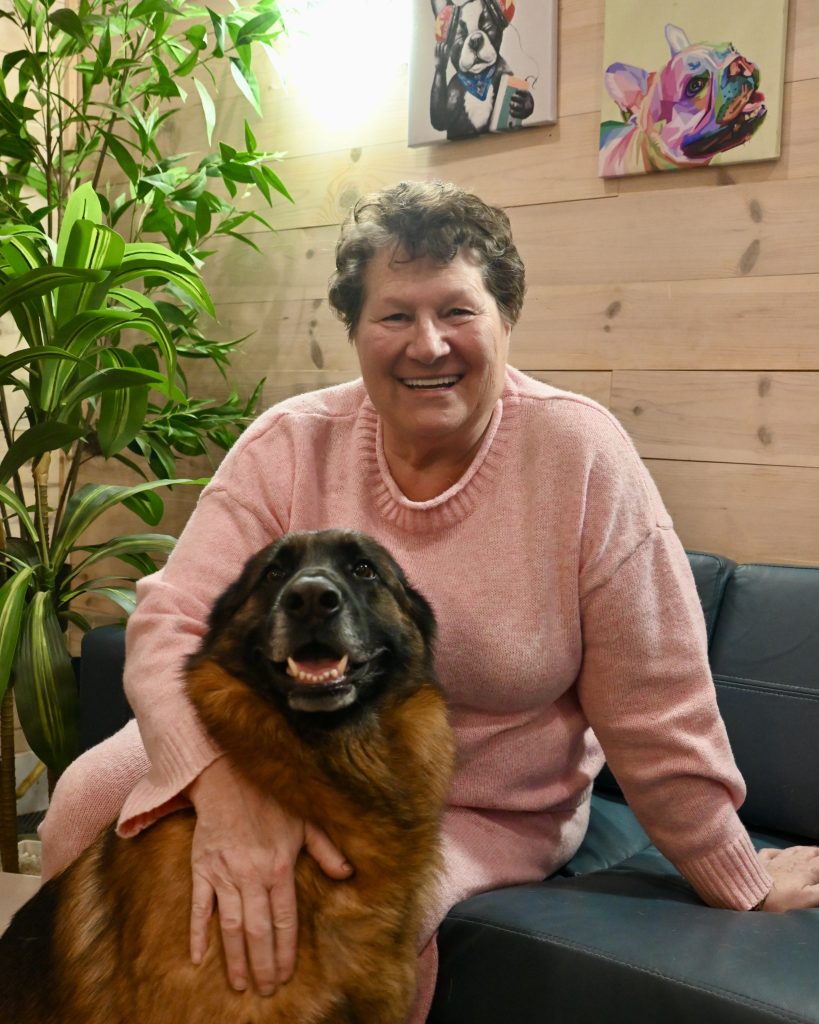
Lisa is a local business owner whose company marks its 30th year on April 1. Based on Brunel Road, her business provides playdays, boarding, and grooming services, and has reinvested in its facilities each year since opening. She writes about business, trade, and public policy, and is the former publisher and editor of Cottage Dog Magazine.
Don’t miss out on Doppler!Sign up here to receive our email digest with links to our most recent stories.
Local news in your inbox six times per week!
Click here to support local news

0 Comments