
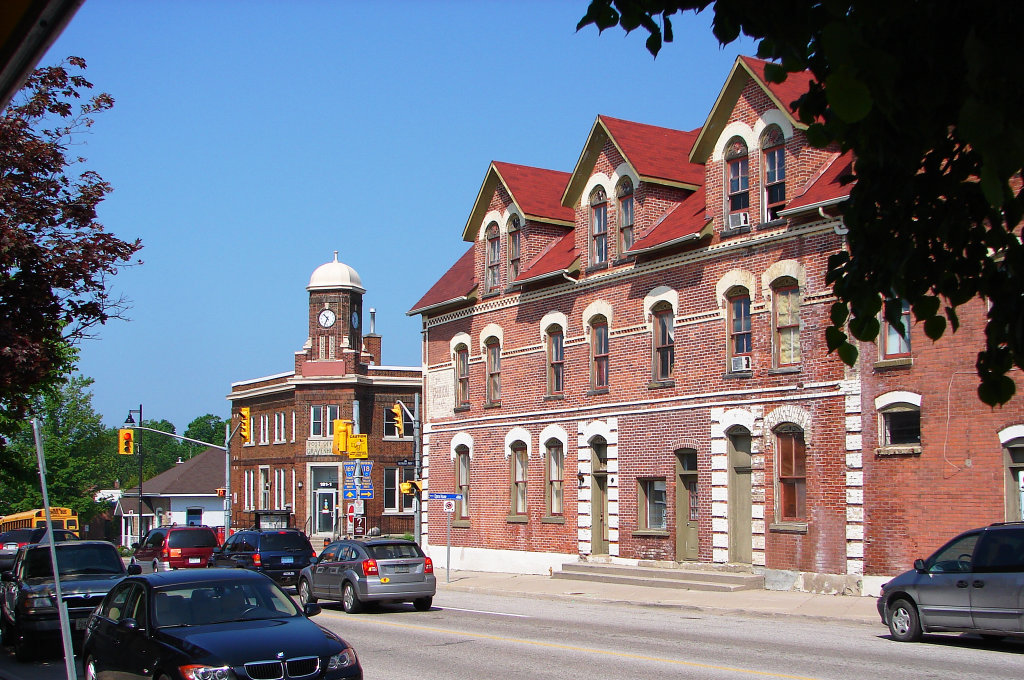
Municipal council has begun shaping a proposed vacant building and land bylaw aimed at preventing neighbourhood decline and encouraging investment in underused properties.
During a recent working session, council discussed what it would like to see included in the bylaw, which was first directed for staff development late last fall. Manager of Economic Development Amy Taylor led the discussion and provided an update on progress to date.
Taylor said there are currently “two or three buildings that are eyesores with vacant landlords,” adding that staff have identified nine properties — including both land and buildings — that are considered “truly vacant,” primarily within the Community Improvement Plan (CIP) area.
The proposed bylaw would require owners of vacant buildings or lands to register their properties and comply with maintenance standards. A preliminary fee structure suggests a $500 initial registration fee, escalating to as much as $4,000 after three years if the property remains vacant. Additional fines could be issued for failing to register or failing to meet owner responsibilities.
“We have tried giving away money and that does not work,” Taylor told council, referencing past financial incentives aimed at spurring development.
Council members offered feedback on the framework, including how funds generated through the registry might be used. Councillor Peter Johnson said he is not interested in the municipality purchasing vacant properties — an option staff had raised for discussion — but questioned why businesses are leaving and why some buildings remain vacant or poorly maintained.
“Why are businesses moving out and buildings vacant or unmaintained?” Johnson asked. He suggested the town consider creating a strategic property reserve funded by revenues collected through the registry.
Councillor Randy Jorgensen said understanding the root causes of vacancy is essential before imposing penalties.
“Do we know why they’re vacant? We need those answers as a starting point,” he said.
Taylor responded that staff generally follow up with property owners. In some cases, buildings are being held as future investments, while others are vacant due to family circumstances, housing transitions or ownership changes.
Councillor Jo Morphy said she would like the municipality to have the first right of refusal when properties become vacant and suggested requiring a business plan from new tenants before they open in the downtown core.
“We need to know what’s going into our business core before it opens,” she said.
Taylor cautioned that while a registry can track vacant properties, it does not automatically make the bylaw enforceable. She also noted that expropriation would be extremely difficult.
“That’s going from carrot to a very large stick,” she said.
Taylor said staff will continue refining the draft bylaw and report back to council in the near future.
Don’t miss out on Doppler!Sign up here to receive our email digest with links to our most recent stories.
Local news in your inbox six times per week!
Click here to support local news

homeless people could benefit from these