
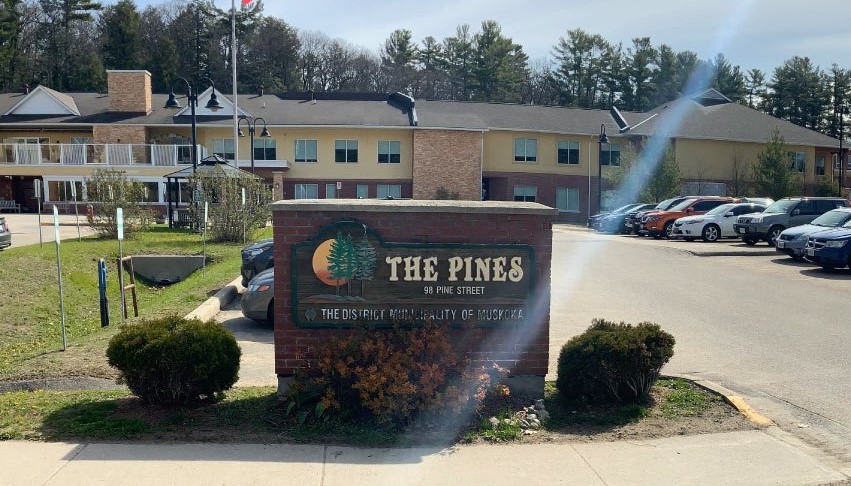
During a recent joint meeting of Muskoka’s Health Services and Community and Planning Services Committee, councillors voiced serious concerns about the province’s proposed Bill 14, Support for Seniors and Caregivers Act, 2025, and its implications for long-term care operations across Ontario.
The report presented to councillors outlined upcoming changes to Personal Support Worker (PSW) qualifications under the Fixing Long-Term Care Act, 2021, as well as major new enforcement measures introduced in Bill 14. While the bill includes positive reforms—such as mandatory dementia care programs, enhanced cultural sensitivity, and stronger resident rights—its expanded penalties and investigative powers have raised alarm among municipal leaders and health officials.
Councillor Terry Glover expressed deep unease after reviewing the proposed legislation. “I have some real serious concerns,” he said. “Some of the stuff written here terrifies me. It could lead to mounting legal challenges and personal reputations being damaged.”
Norm Barrette, Commissioner of Health Services for the District of Muskoka, emphasized that Bill 14 has not yet been enacted but warned that it introduces “significant new penalties.” He explained that the bill would make it a criminal offence for anyone—licensees, managers, staff, or volunteers—to abuse or neglect residents or fail to comply with regulations. “If someone took that concept and extended it to everyone in the organization, they could be penalized and even charged with an offence,” Barrette said. “It will make working in that sector even more difficult.”
Under the proposed legislation, directors who authorize or permit abuse or neglect could face fines of up to $200,000 for a first offence and $400,000 for subsequent offences—a dramatic increase from the current $4,000 maximum. Provincial offences officers would also gain broader powers to investigate, obtain warrants, seize evidence, and compel individuals to cooperate.
Councillor Tatiana Sutherland lamented the timing of the new measures. “I’m so depressed—we were just talking about how this sector is improving, and now we’re thrown another curveball,” she said.
AdvantAge Ontario, the provincial association representing not-for-profit and municipal long-term care providers, has supported the bill’s care-focused provisions but warned that its punitive enforcement measures could have “negative and disproportionate impacts” on not-for-profit homes already struggling with staffing and financial pressures.
Staff assured the committee that they will continue to monitor developments and keep council informed as the legislation moves through the provincial process.
Meanwhile, The Pines and Fairvern Long-Term Care Homes are already developing a unified, dementia-focused Social Model of Care to align with the evolving provincial standards and ensure continued safety, dignity, and quality of life for residents.
Don’t miss out on Doppler!Sign up here to receive our email digest with links to our most recent stories.
Local news in your inbox six times per week!
Click here to support local news

I fail to see how a piece of provincial legislation creates a criminal offence. Criminal offences stem from federal pieces of legislation. Yes, the fines are substantial and broader powers appear to be given to Provincial Offences Officers but Provincial Offences Officers already had the authority to obtain search warrants under current legislation. No doubt, if the investigation goes south and Provincial Offences Officers in their investigation reveal potential criminal offences then they would solicit the services of local police service. It appears from the article that more accountability is being imposed on institutions serving seniors but was that not expected after the pandemic when all those facilities were closed, standards compromised, visits suspended, and deaths occurred? I suspect many of the changes being implemented were the result of the pandemic. Would like to see more in depth reporting on this concern.